
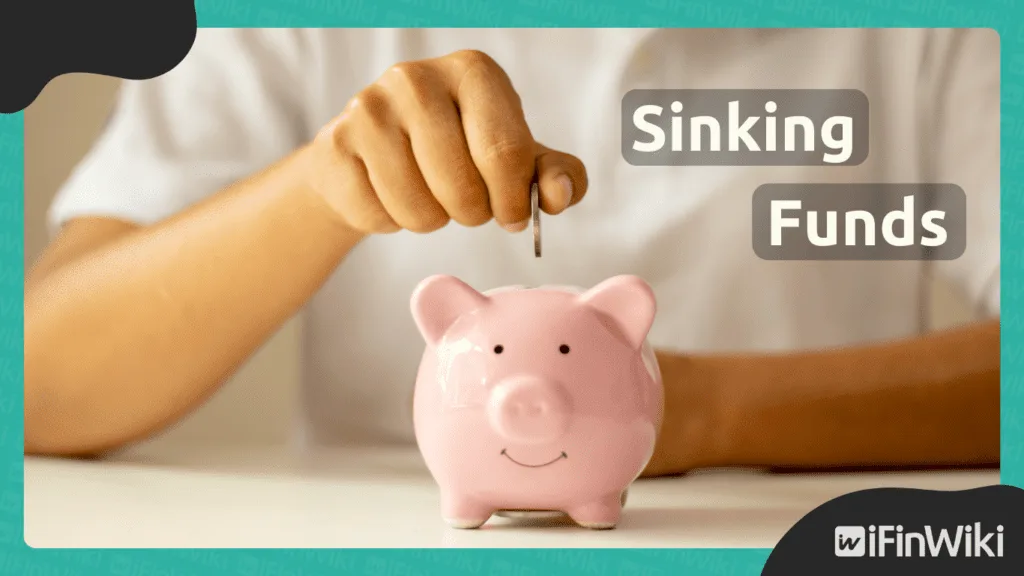
Unexpected bills can derail even the most careful budget. From annual insurance premiums to holidays, car repairs, and birthday gifts, irregular expenses often catch us off guard. Sinking funds offer a simple, practical solution: a way to plan ahead, save steadily, and ensure that when the cost arises, the money is already there.
In essence, a sinking fund is a dedicated savings pot for specific future expenses, transforming unpredictable costs into predictable, manageable payments that fit comfortably within your monthly budget.
What Is a Sinking Fund?
A sinking fund is not a complex financial product—it’s simply a method of setting aside money gradually for upcoming expenses. By saving a little each month, you avoid scrambling when bills appear and reduce reliance on credit cards or loans.
Typical uses include:
- Annual insurance premiums (home, car, health)
- Car maintenance, MOTs, and unexpected repairs
- Holidays or weekend getaways
- Birthday and holiday gifts
When you budget in advance for these costs, you can cover them without stress, turning potentially disruptive expenses into routine, manageable payments.
How to Set Up a Sinking Fund
Getting started with sinking funds is easier than you might think. First, identify the predictable, irregular expensesyou face over the next year. Estimate the total cost and divide it by the number of months until the payment is due. This gives you a monthly contribution that feels manageable.
To keep the funds separate and reduce temptation, open a dedicated savings account. Automating your contributions ensures consistency and builds the fund steadily over time. Even small amounts, saved regularly, quickly accumulate into a meaningful reserve. With this structure, large bills stop feeling like surprises and become part of a planned, controlled budget.
Why Sinking Funds Make a Difference
Sinking funds offer more than just a buffer for bills—they are a tool for better financial planning. Knowing that money is already earmarked for future payments makes your budget more predictable, reducing stress and anxiety.
Other benefits include:
- Reduced reliance on credit cards or loans, avoiding interest payments
- More accurate monthly budgeting, since predictable costs are accounted for
- Peace of mind, knowing you’re prepared for life’s irregular expenses
Over time, sinking funds improve your confidence in handling money and give you a sense of financial control that a traditional budget alone might not provide.
Tips to Make Sinking Funds Work
Sinking funds are most effective when they are planned, tracked, and regularly reviewed. Without a clear strategy, it’s easy for contributions to be inconsistent or for the funds to be underutilised. By taking a structured approach, you can make your sinking funds a reliable part of your financial routine.
Start by prioritising your expenses. Focus first on the largest or most unavoidable costs, such as annual insurance premiums, car repairs, or planned holidays. These are the bills that, if left unfunded, can cause the most stress and financial disruption.
Tracking progress is equally important. Using a budgeting app, spreadsheet, or dedicated savings tool allows you to monitor your contributions, see your funds grow, and ensure you stay on target. Regular tracking gives a sense of accomplishment and keeps you motivated to continue saving.
It’s also wise to review your sinking funds annually. Prices change, new expenses emerge, and some costs might be higher than anticipated. Adjusting contributions ensures that your sinking funds remain accurate and fully funded for the year ahead.
Finally, consider combining sinking funds with an emergency fund. While sinking funds cover planned, irregular expenses, an emergency fund safeguards against truly unexpected events, giving you full financial protection and peace of mind.
Even modest monthly contributions, applied consistently, can transform your financial experience, eliminating stress and keeping you ahead of your expenses. By following these steps, sinking funds become not just a savings tool, but a cornerstone of a well-managed, predictable budget.
Captain’s Checklist
✅ List all predictable irregular expenses for the next 12 months
✅ Estimate total cost and calculate monthly contributions for each
✅ Open a separate savings account dedicated to sinking funds
✅ Automate contributions to build the fund steadily and consistently
✅ Track progress regularly and adjust contributions if necessary
✅ Combine sinking funds with an emergency fund to cover unexpected costs
Final Thoughts
Sinking funds are a simple but powerful tool to transform irregular, stressful expenses into planned, manageable payments. By saving gradually, tracking your progress, and keeping funds separate, you can approach bills with confidence and reduce financial anxiety. Whether it’s holidays, car maintenance, or annual insurance, sinking funds put you in control, making your finances more predictable and your life less stressful.
P.S. Tools: Explore our Tools section: your one-stop spot for practical tools, new offers, and ways to make your money go even further.
Note: All investments carry some degree of risk, so it’s important to understand how your money could be affected. Not all risks are equal—the potential for gains or losses can vary significantly from one investment to another. This article is for general information only and does not constitute financial advice. Always consider your personal circumstances before making any investment decisions.